

The Ultimate Guide to Solar Mounting Structures
When people think about solar energy, they usually focus on the sleek blue-black solar panels or the high-tech inverter humming in the garage. However, there is an unsung hero that holds the entire system together: the mounting structure.
The mounting system is the "backbone" of your solar installation. It is responsible for keeping your panels attached to your property for 25+ years, withstanding hurricane-force winds, heavy snow loads, and constant exposure to the elements.
In this guide, we’ll break down everything you need to know about choosing the right mounting structure for your solar journey.
Why the Mounting Structure Matters
A high-quality mounting system does more than just hold panels up. It serves three critical functions:
Safety & Stability: It prevents panels from flying off during storms or collapsing under snow.
Energy Optimization: It holds the panels at the precise angle and orientation to catch the maximum amount of sunlight.
System Longevity: By providing proper ventilation (airflow) behind the panels, it prevents overheating, which can degrade panel efficiency over time.
1. Rooftop Mounting Systems
Most residential solar installations are rooftop-based. The type of mount you need depends entirely on your roof material.
Pitched Roof Mounts: These use "L-feet" or standoff brackets that are bolted into the roof rafters. These are the most common for asphalt shingles, metal, or tile roofs.
Ballasted Mounts (Flat Roofs): For commercial buildings or flat-roof homes, "penetrating" the roof can lead to leaks. Instead, ballasted mounts use heavy concrete blocks to weigh the system down, securing it via gravity rather than bolts.
Integrated Solar (BIPV): These are "solar shingles" or tiles that are the roof. While aesthetically pleasing, they are more expensive and harder to repair than traditional rack mounts.
2. Ground-Mounted Systems
If your roof isn't suitable—perhaps it’s shaded, too small, or facing the wrong way—ground mounts are an excellent alternative.
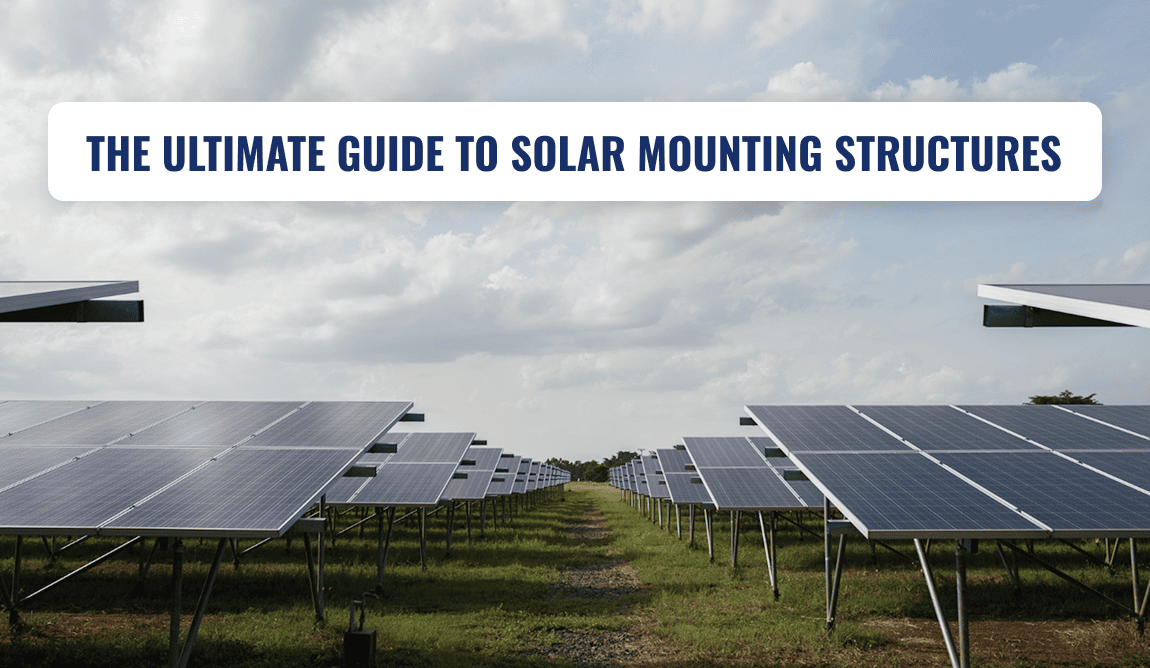
Standard Ground Mounts: These use a metal frame (usually galvanized steel or aluminum) anchored into a concrete foundation. They are easy to clean and maintain because they are at ground level.
Pole Mounts: Panels are mounted on a single sturdy pole. These can be elevated high enough to allow for livestock grazing or parking underneath.
3. Solar Trackers
For those looking for maximum efficiency, tracking systems move the panels to follow the sun across the sky.
Single-Axis Trackers: Follow the sun from East to West. They can increase energy production by 20–30%.
Dual-Axis Trackers: Follow the sun East to West and North to South (adjusting for seasonal changes). These offer the highest yield but are more expensive and have more moving parts that require maintenance.
4. Carports and Canopies
Solar carports are growing in popularity. Instead of taking up yard space or roof space, you build a structure over your driveway. This provides shade for your vehicles while generating electricity—a true win-win for homeowners with electric vehicles (EVs).
Key Factors to Consider When Choosing
1. Material (Durability)
Look for Anodized Aluminum or Galvanized Steel. These materials are resistant to corrosion and rust, which is vital if you live in a coastal area with salty air or a region with high humidity.
2. Wind and Snow Loads
Mounting structures are rated for specific weather conditions. Ensure your installer uses a racking system that meets local building codes for wind speeds (e.g., 120mph+) and the weight of heavy snow.
3. Roof Integrity & Flashing
If you are mounting on a roof, the "flashing" (the material used to waterproof the holes made for the mounts) is the most important component. Poor quality mounting hardware is the #1 cause of roof leaks. Always insist on high-quality, industry-tested flashing.
4. Warranty
A solar panel might have a 25-year warranty, but does the rack? Ensure your mounting system has a warranty that matches the lifespan of your panels (typically 10–20 years).
Conclusion
While they may not be the most "glamorous" part of a solar installation, mounting structures are the foundation of your investment. By choosing the right rack for your specific roof type, local climate, and energy goals, you ensure that your solar system remains safe, efficient, and productive for decades to come.