
Solar panel price and subsidy in Haryana in 2026
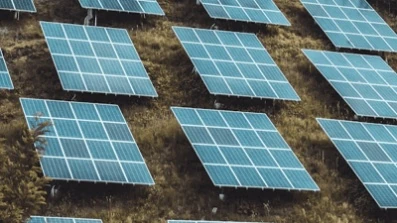
The total cost of a rooftop solar installation depends on system capacity, module and inverter selection, mounting structure, roof work, protection equipment, wiring, metering requirements and the installer’s scope. Treat online prices as indicative only and request a site-specific written quotation before making a decision.
Central subsidy under PM Surya Ghar
Eligible residential consumers may apply for Central Financial Assistance through the official PM Surya Ghar process for qualifying grid-connected rooftop solar installations. Subsidy is subject to current scheme rules, technical requirements, DISCOM feasibility, approved equipment and completion of the required application steps. Do not assume that every property, system or purchase qualifies.
Central subsidy structure and 2026 updates
The commonly published standard central structure for general states has been ₹30,000 per kW for the first 2 kW and ₹18,000 per kW for the next 1 kW, with a maximum of ₹78,000 for eligible residential systems of 3 kW or more. However, an MNRE update published through PIB on 28 July 2026 refers to higher central financial assistance for the first 2 kWp for eligible middle-income and economically weaker households. The announcement summary does not set out every eligibility detail or individual payout, so check the live National Portal and your DISCOM before using a figure in a quotation. Do not assume additional assistance applies to every household.
What decides the actual solar system price?
The quotation can change with the size of the system, module technology, inverter type, battery backup, roof type, mounting height, cable run, electrical protection, earthing, structural work and commissioning requirements. A standard on-grid system and a hybrid system with battery backup are not directly comparable on price.
Are there fixed prices for 1 kW, 3 kW or 5 kW?
There is no single price that applies to every site. Ask the installer to list the system capacity, module and inverter brands or specifications, mounting and electrical scope, warranty terms, taxes, exclusions and any meter or approval charges. This makes quotations easier to compare fairly.
Does the central subsidy apply to every business or factory?
The residential component of PM Surya Ghar is intended for eligible residential consumers; do not assume the same central subsidy applies to commercial or industrial installations. Businesses should ask about the applicable project category, metering rules and any separate programme that may be open at the time.
How should Haryana households apply?
Start on the official PM Surya Ghar portal and follow its current steps for registration, DISCOM feasibility, vendor selection, installation, inspection and subsidy claim. Haryana consumers should also confirm the process with the relevant distribution company, UHBVN or DHBVN, and consult HAREDA for state programme notices. Avoid relying on unofficial messages promising guaranteed approval or a fixed payout date.
Before confirming a quotation
Keep a recent electricity bill ready, confirm the property and connection details, compare the total system scope, ask who handles net-metering documentation, and keep the final quotation and warranty documents. Kherki Solar can review the site details and prepare a project quotation; actual cost and scheme eligibility must be confirmed for the individual property.
Conclusion
The safest way to estimate a solar project is to combine a site assessment with a clear equipment-and-installation quotation, then verify subsidy eligibility on official government and DISCOM channels. Prices and programme rules can change, so confirm both before placing an order.